Why You Should Enjoy Bees in Your Garden and Not Chase Them Off
You may have heard that since 2006, the bee population has dropped considerably, and they are in danger of becoming extinct. What you may not be aware of, however, is the critical role bees play in your daily life. The following information will help you understand the importance of bees in your garden and why you should encourage them to visit, rather than chase them off.
All About Hard-Working Bees
While we may not think much of bees past the sweet honey they produce or their painful sting if we get on the wrong side of one, they are actually very hard workers.
In fact, research has shown that one out of every three bites of our food are owed to bees.
As primary plant pollinators, bees play an important role in all of the following:
Plant pollination: While not all plants rely on pollination to mature, more than 30 percent of food crops do. In the wild, more than 90 percent rely on pollinators. As the most efficient of all pollinators, the loss of bees would have a huge impact on food sources and garden plants.
Animals: Many of the animals we rely on for food feed off plants that require pollination to survive. Without bees’ hard work in the alfalfa fields and others, animal populations would change considerably and again, our diets will be affected.
Fuel and Clothing: You would not think of bees in this area of our lives however, they have an important job to do in this sector as well. Bio-fuels rely on canola for production, which is pollinated by bees. Our reliance on fossil fuels has made bio-fuel an important part of our future.
Cotton is also dependent on bees for pollination which means there will be fewer natural materials available to produce clothing. With less natural material available, there will be an increase in demand for fossil fuels which will increase the need for bio-fuels.
Medications: Several medications and homeopathic remedies rely on plants that require pollination to produce their flowers.
How to Help Bees in Your Garden
Helping to maintain the bee population provides more benefits than drawbacks. Thanks to their pollination efforts, your garden will be healthier and the varieties of plants that attract bees will provide you with beautiful colour well into fall.
Plant the Right Flowers
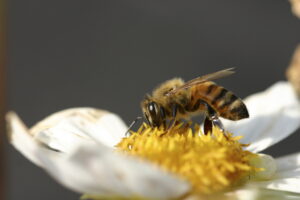
Flowers with single rounds of petals rather than multiple petal layers are easiest and most popular for bees gathering pollen and nectar. Bees of the long-tongue variety are attracted to plants in the mint family, such as salvia, lavender and oregano.
Variety is Key
Ensuring you have a good selection of shrubs and flowering plants that provide easy access for the hard-working creatures will encourage them to visit your garden often.
Strategic Colours
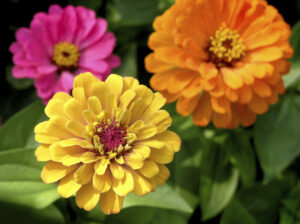
Some of the colours that attract bees the most are blue, yellow and purple. Queen Anne’s lace, daisies and zinnias are a few examples of flowering plants that bees are most attracted to.
Let us help you design a bee-friendly garden
Lawrence Park Complete Garden Care has been servicing clients in Toronto’s best neighbourhoods for more than 25 years.
We can help you design and implement a beautiful landscape that attracts bees and makes your property the envy of all your neighbours. Contact us today to book your on-site consultation.



 RSS FEED